
Published July 28, 2026
Buying Beyond the City: A Smart Guide to Rural Homeownership

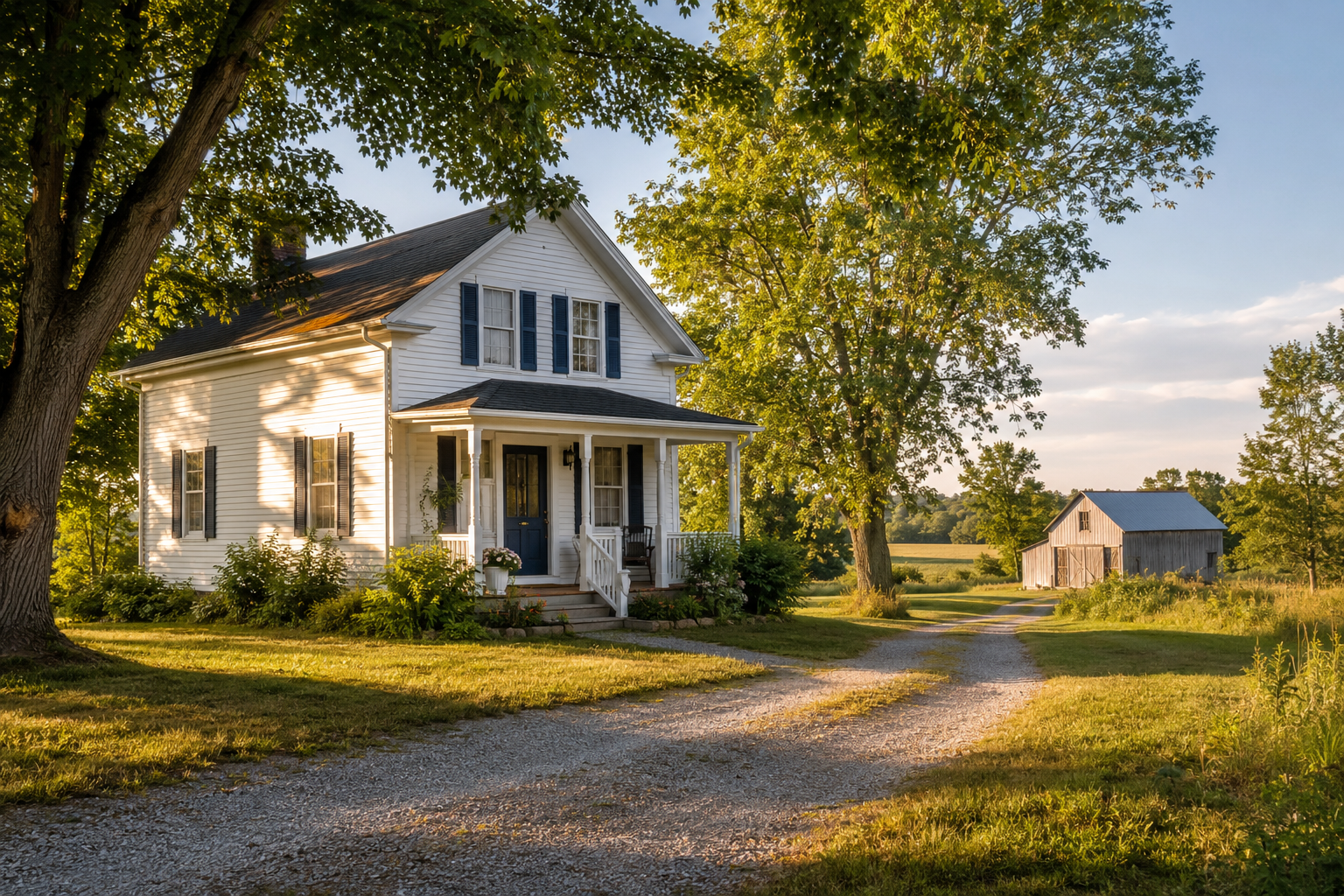
For many buyers, the idea of moving beyond the city is incredibly appealing. More space, greater privacy, peaceful surroundings and a closer connection to nature can make rural homeownership feel like the perfect lifestyle change.
However, buying a rural property is not quite the same as purchasing a home in town. Along with evaluating the house itself, buyers need to understand how the property’s water, wastewater, heating, access and land-use systems work.
The goal is not to make rural homeownership feel complicated. It is to make sure you understand exactly what you are purchasing so you can move forward confidently.
Start With the Lifestyle, Not Just the House
Before falling in love with a farmhouse, country bungalow or acreage property, consider how rural living will fit into your everyday routine.
Ask yourself:
- How far are you comfortable travelling for work, school and appointments?
- How close do you want to be to groceries, healthcare and other amenities?
- Will you need reliable high-speed internet for working from home?
- Are you prepared to maintain a larger property?
- Do you want privacy, usable acreage, workshop space or room for recreational vehicles?
- Would a paved municipal road be important, or are you comfortable with a private or seasonally maintained road?
A beautiful property may look perfect during a showing, but the surrounding location and infrastructure will shape your daily experience just as much as the home itself.
Understand the Water Supply
Many rural homes rely on a private well instead of municipal water. Buyers should learn as much as possible about the well before purchasing the property.
Important questions include:
- What type of well is installed?
- Where is it located?
- How old is it?
- Is there a well record?
- Has the water been tested recently?
- Does the well provide enough water for the household’s typical needs?
- Are there filtration, softening or treatment systems in place?
Water quality and water quantity are two separate considerations. A laboratory test can provide information about the safety of the water sample, while a qualified well professional can help assess the condition and performance of the well.
Ontario provides information for property owners about private wells and water testing. Depending on the property and the terms of your offer, buyers may want conditions allowing time for appropriate water testing and professional review.
Learn How the Septic System Works
If a property is not connected to municipal sewers, it will likely have a private septic system. This system collects and treats household wastewater, making its age, condition and capacity important parts of your due diligence.
Buyers should try to determine:
- The age and location of the septic system
- The size of the tank and its intended capacity
- When the tank was last pumped
- Whether maintenance records or permits are available
- Where the leaching bed is located
- Whether there have been previous repairs or drainage concerns
- Whether the system can support planned renovations or additional bedrooms
A general home inspection may not include a complete septic assessment. Consider arranging a separate inspection with a qualified septic professional who can evaluate the accessible components and identify potential concerns.
Ontario’s SepticSmart guide explains how private wastewater systems work and why regular care matters.
Check the Heating and Utility Systems
Rural homes may be heated by propane, oil, electricity, wood, geothermal systems or a combination of sources. Each option has different maintenance needs and operating costs.
Review:
- The primary heating source
- The age and condition of the furnace, boiler or heat pump
- Whether tanks or equipment are owned or rented
- Average fuel and electricity costs
- The condition and certification of wood-burning appliances
- Whether a backup generator is installed
- The home’s insulation and energy efficiency
- Any service contracts that must be assumed
Do not rely only on the current owner’s total utility costs. A household’s consumption can vary significantly based on family size, lifestyle and how the property is used.
Confirm Internet and Cellular Service
A rural address does not automatically guarantee the internet speed or cellular coverage you need.
If you work remotely, stream frequently, operate a home-based business or depend on reliable connectivity, investigate the available providers before making a firm commitment.
Ask which services currently reach the property and confirm the available speed directly with the provider. If possible, test cellular reception from different parts of the house and property during your visit.
Review Road Access and Maintenance
Some rural homes are located on private roads, unassumed roads or roads with limited seasonal maintenance. Buyers should confirm who owns and maintains the road, how costs are shared and whether there is a formal road-maintenance agreement.
Questions to ask include:
- Is the road publicly or privately maintained?
- Is it accessible throughout the year?
- Who is responsible for snow removal and repairs?
- Are there annual maintenance fees?
- Is there a registered right-of-way?
- Can emergency and service vehicles reach the home?
- Will the road affect financing or insurance?
Access can also affect garbage collection, school transportation, deliveries and everyday travel during winter weather.
Investigate Zoning and Future Plans
A large property can create exciting ideas, but owning the land does not necessarily mean every planned use will be permitted.
If you are considering adding a secondary dwelling, operating a business, keeping animals, building a workshop, severing the lot or expanding an existing structure, confirm the zoning and approval requirements before purchasing.
The Town of Georgina’s countryside zoning rules contain specific requirements for rural land uses, buildings and development. Buyers should consult the municipality directly rather than relying on assumptions about what the property might allow.
Properties near lakes, rivers, wetlands, steep slopes or other environmentally sensitive areas may also require conservation authority approval for certain work. The Lake Simcoe Region Conservation Authority advises that development or site alteration within a regulated area may require permission.
Look Closely at the Land
The acreage number tells only part of the story. Consider how much of the property is truly usable and whether its characteristics suit your plans.
Pay attention to:
- Drainage and low-lying areas
- Wetlands, woodlands and conservation restrictions
- Soil conditions
- Slopes and grading
- Property boundaries
- Fences and encroachments
- Easements and rights-of-way
- Locations of wells, septic systems and utility lines
- Existing barns, sheds and other structures
A current survey can be extremely helpful, especially when boundaries, accessory buildings, waterfront or future improvements are important to the purchase.
Inspect Every Structure
Country properties often include more than the main house. Barns, garages, workshops, drive sheds, bunkies and storage buildings should also be evaluated.
Confirm whether these structures were built with permits, whether they have electricity or water, and whether they are insurable. A building that looks useful could require significant repairs or may not be legally suitable for its intended use.
If you hope to use an outbuilding for a business, rental accommodation, animals or additional living space, verify that the zoning and building approvals permit that use.
Consider Insurance and Financing Early
Some rural properties require additional review from lenders and insurers, particularly when they involve private roads, older heating systems, large outbuildings, farms, waterfront, extensive acreage or non-standard construction.
Speak with your mortgage professional and insurance provider early in the process. Waiting until the final days before closing can create unnecessary stress if additional inspections, appraisals or documentation are required.
Budget for Rural Property Maintenance
More space can also mean more responsibility. Your ongoing budget may need to account for:
- Well and water-treatment maintenance
- Septic pumping and repairs
- Propane or oil deliveries
- Snow removal
- Driveway and private-road maintenance
- Tree care and drainage
- Fence, barn and outbuilding repairs
- Lawn, field or woodland maintenance
- Backup power and generator servicing
These costs do not make rural homeownership a poor choice. They simply need to be understood and included in your plans.
Work With Local Professionals
Rural real estate is highly property-specific. Two homes on the same road may have very different zoning, water systems, access arrangements or development restrictions.
An experienced local real estate team can help you ask the right questions, identify appropriate conditions and coordinate with inspectors, lenders, lawyers, municipalities and other qualified professionals.
The right due diligence gives you more than information. It gives you confidence that the property can support the lifestyle you are hoping to create.
Thinking About Buying a Rural Home?
Rural homeownership can offer an incredible combination of privacy, freedom, natural beauty and room to grow. The key is looking beyond the home’s appearance and understanding the land, systems and responsibilities that come with it.
If you are considering a rural property in Georgina, Keswick or the surrounding communities, we would be happy to help you explore your options and make an informed move.
Wayne Winch & Brenda Brouwer | REALTORS®
RE/MAX All-Stars Realty Inc., Brokerage
(905) 476-4111 | GeorginaHomesForSale.com