
Categories
Home Buyers, SellersPublished June 24, 2026
Do Seasons Still Affect Home Prices?

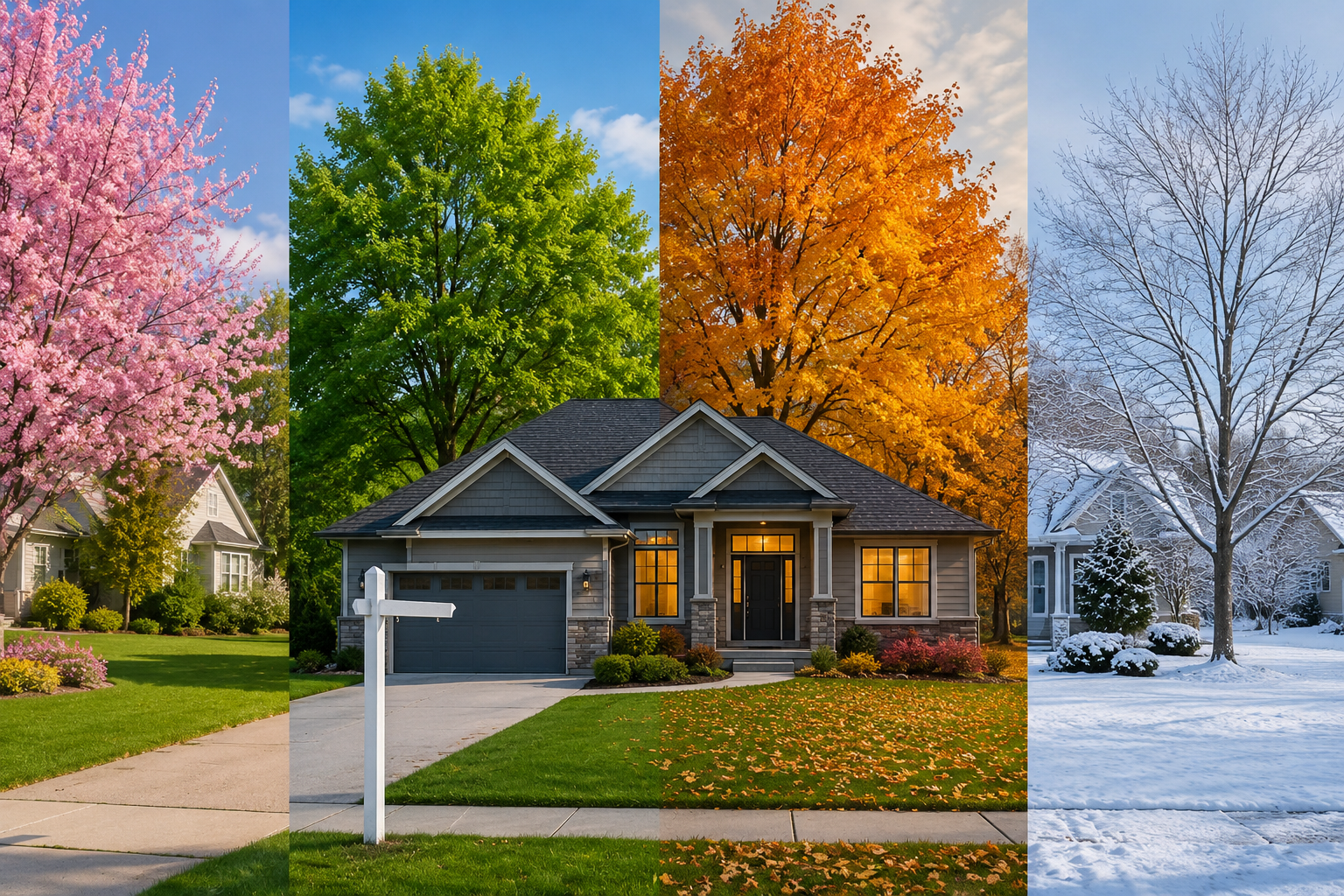
For years, the real estate market followed a fairly predictable seasonal pattern. Spring was the busiest time to buy and sell, summer remained active, fall offered a second wave of opportunity, and winter was often considered the slow season.
But in today's market, many homeowners are asking an important question: Do seasons still affect home prices the way they used to?
The short answer is yes—but not always in the ways people expect.
The Traditional Seasonal Cycle
Historically, spring has been the strongest real estate season. Warmer weather, longer days, and families wanting to move before the next school year typically bring more buyers into the market.
With increased demand often comes stronger competition, which can support higher sale prices and faster sales.
Winter, on the other hand, has traditionally seen fewer listings and fewer buyers, leading many homeowners to assume it's the worst time to sell.
What Has Changed?
Today's real estate market is influenced by much more than the calendar.
Interest rates, economic conditions, inventory levels, remote work flexibility, and buyer confidence often have a greater impact on home values than the season itself.
For example, a spring market with high interest rates and cautious buyers may be slower than a winter market with limited inventory and motivated purchasers.
In many communities, we've seen homes sell successfully in every month of the year when they are priced correctly and marketed effectively.
Inventory Often Matters More Than Season
One of the biggest factors affecting home prices today is inventory.
When there are fewer homes available for sale, buyers have fewer options. Even during traditionally slower seasons, this can create competition and help sellers achieve strong results.
Conversely, during periods when inventory rises significantly, sellers may face more competition regardless of whether it's spring or summer.
This is why looking at local market conditions is often more valuable than relying on seasonal assumptions.
Buyer Behaviour Has Evolved
Technology has changed how people search for homes.
Buyers no longer wait for open house weekends or newspaper listings. They can browse properties online 24 hours a day from anywhere.
Remote and hybrid work schedules have also made moving more flexible for many families. Buyers aren't always tied to traditional timelines the way they once were.
As a result, serious buyers are active throughout the year.
So, Is There Still a "Best" Time to Sell?
The best time to sell isn't necessarily determined by the season.
It's determined by the combination of:
- Current inventory levels
- Buyer demand
- Interest rates
- Local market trends
- Your personal goals and timeline
A well-prepared home can attract strong interest in January just as easily as it can in May when market conditions are favourable.
The Bottom Line
Seasons still influence real estate activity, but they are no longer the primary factor driving home prices.
Today's market is more dynamic and more local than ever. Understanding what's happening in your specific community is far more important than relying on old rules about when homes "should" sell.
If you're considering making a move, the best approach is to look at current market conditions, not just the calendar. Every neighbourhood, property type, and market cycle can tell a different story.
Wondering what today's market means for your home's value? We'd be happy to provide a personalized assessment and help you understand what's happening right now in your neighbourhood.
Wayne Winch & Brenda Brouwer | REALTORS®
RE/MAX All-Stars Realty Inc., Brokerage
(905) 476-4111 | GeorginaHomesForSale.com

Wayne Winch & Brenda Brouwer, REALTORS®
| Wayne Winch & Brenda Brouwer, REALTORS® | RE/MAX All-Stars Realty Inc, Brokerage
or another way